Keep an eye on the risks
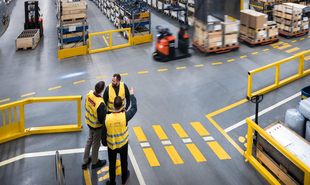
When people and machines interact in a warehouse, things can get dicey. Sometimes the dangers come from the driver themselves, sometimes from others, and often enough from inadequate safety precautions or technical defects. The five most common hazards in the warehouse.
1. The behavior of the forklift drivers themselves
Anyone who drives carelessly, accelerates with heavy loads, misjudges the load during loading and unloading , or disregards safety precautions contributes to an increased risk of danger in the warehouse. Often, it is the operators themselves who, through their behavior, condition, or insufficient experience, become the greatest source of danger in the warehouse. This can be due to infrequent safety training, a lack of specialized training for specific forklifttypes, or a complete absence of driver training. Therefore, driver training courses are mandatory and recurring events to improve driving skills and refresh knowledge about warehouse safety. Personal measures help to avoid unnecessary risks.
2. Other careless warehouse employees
No matter how careful you are, you have no control over the behavior of others. This also applies to risks in the warehouse: you shouldn't assume your colleagues will hear the beeping when reversing; it's better to look around twice. Or even better, use a camera system to monitor the entire surroundings.
Typically, it's visitors in the warehouse who disregard floor markings and don't always stay on designated walkways. If they stray from the prescribed path, dangerous collisions can occur. Therefore, forklift operators should, for their own safety, always anticipate that someone might cross their path and drive with extra caution.
3. Inadequate safety precautions
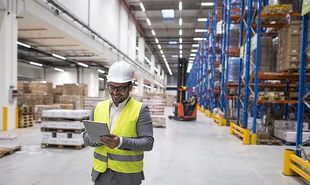
Are occupational safety regulations and potential hazards in the warehouse regularly discussed? Are the current safety guidelines easily accessible to everyone? Is sufficient personal protective equipment (PPE) available for each workstation? Are there established procedures and well-known protocols in place should an accident occur? And are the emergency contact persons listed on the information boards? These are the most important elements that, together, improve occupational safety in the warehouse.
It is equally certain that warehouse managers and supervisors also serve as role models, a fact they should always be aware of as employers. Fleet managementsystems like I_Site provide support in this regard. With this system, the warehouse manager receives a notification if, for example, a forklift cannot be started or the shock sensor signals an accident.
Tip: Displaying the number of accident-free days can also help raise awareness of dangers in the warehouse.
 Photos: TMHE
4. Technical defects or missing forklift equipment
Do your forklifts have modern driver assistance systems? Are all forks still in perfect condition? Are roll cage systems or full cabins used? There's no question: those who don't address defects and only invest minimally in safety won't be able to eliminate workplace hazards.
It is best to clarify these matters in good time, because the consequences of an accident can be dramatic: Injuries range from bruises and fractures to fatalities, for example if a forklift truck tips over.
A tip from us : Toyota forklifts come standard with the System for Active Stability Assistance (SAS), a driver assistance system already found in every Toyota Traigo and Tonero. Using a maintenance analysis system like Toyota's MyFleet allows you to optimize the overview of your forklift fleet's condition and implement appropriate technical measures during operation.
5. Falling goods and other objects
Unsafe shelving, poorly stacked goods, and accidents when handling loads at height also create hazards in the warehouse: falling objects that can seriously injure people, cause serious injury, and, of course, damage the materials. The dangers posed by improper storage or defective shelving represent a risk that can be relatively easily avoided .
Even simple measures like wire mesh shelves and back panels can prevent pallets from falling and goods from being damaged in racking systems . Regular inspections reveal whether the racks are in good working order or if any damage needs to be repaired.
Author: Rainer von Häfen
LI-NEWSLETTER
Every week, the latest logistics news from Switzerland, the EU and the rest of the world.
Subscribe now