Multiple uses from the cell

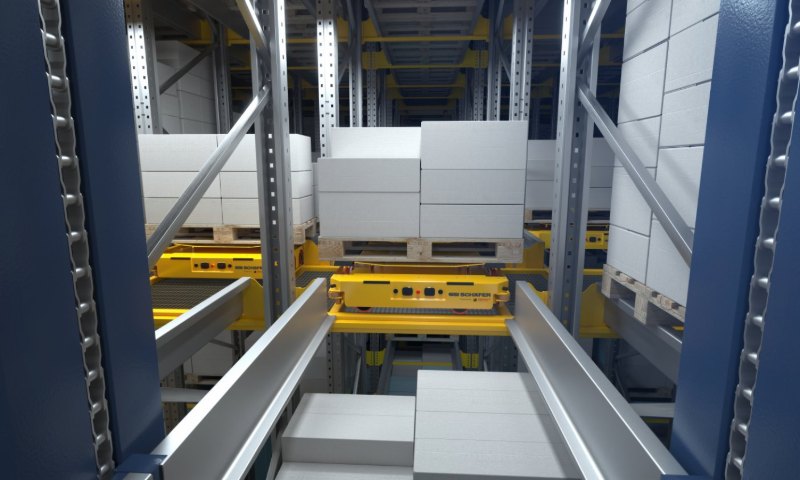
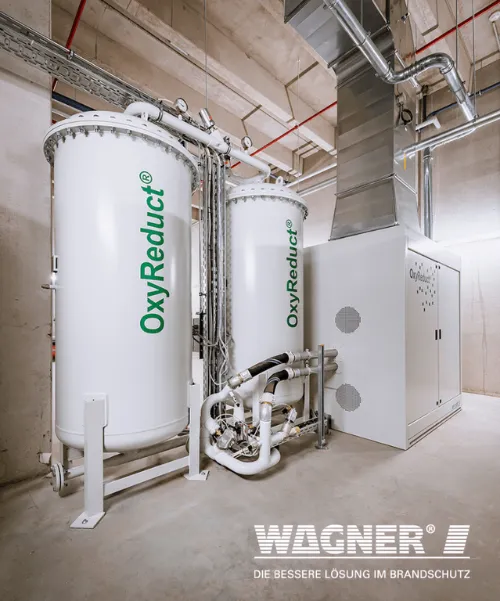
In addition to the new OxyReduct F-Line with integrated self-generated energy via fuel cell, the portfolio of fire protection experts from Wagner for compact storage systems, which have been available for AutoStore or Jungheinrich's PowerCube for some time, attracted strong interest at LogiMAT.
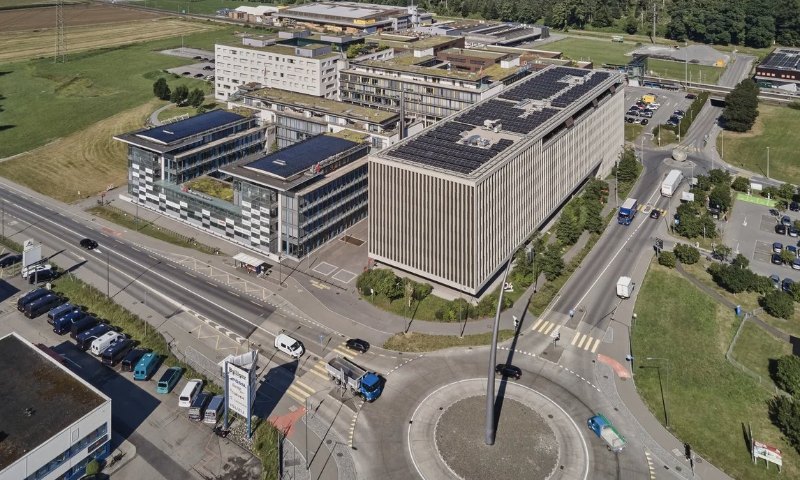
A successful example of efficient combined precautions is the active fire prevention and early detection using aspirating smoke detectors, such as those installed at Competec in Willisau and designed according to the Swiss guidelines SN 123456 and SES. The logistics service provider, which also works for the online shop BRACK.CH, experienced an increased order volume. The processing of this volume and the associated operational processes were secured against fire by Wagner using 399 robots for 356,000 container storage locations and 53 workstations.

In general, automated compact container storage systems, which are increasingly used due to their high efficiency, pose particularly high fire risks and can cause significant damage. This is because the use of stackable containers, due to the specific storage method, leads to extremely high packing density and an increased concentration of valuable goods. The high degree of automation with its numerous electrical components, charging infrastructure , and the use of lithium-ion batteries. Battery-powered robots can experience short circuits and other technical defects. Furthermore, small load carriers in the storage system are often made of polypropylene, which, in the event of a fire, drips down like a burning liquid. The tall and compact storage promotes rapid fire spread and hinders targeted firefighting. Stored goods and materials, such as small plastic load carriers, cardboard or plastic packaging materials, and even the nature of the stored goods (easily or spontaneously combustible), typically have a high fire load.

Conventional extinguishing systems and agents, such as water-based ones, cannot meet the individual protection goals of many operators because they do not provide sufficient extinguishing power. Therefore, the creation of a protective atmosphere that prevents uncontrolled fire spread is a welcome development.
An airtight enclosure ensures that the oxygen content in the protected area is permanently reduced and maintained at this controlled level. This is achieved by introducing nitrogen, which is generated on-site from the ambient air as needed – and now, with the OxyReduct F-Line, also via a fuel cell. When using the hydrogen-based fuel cell developed by HY.AIR Energy, nitrogen-rich exhaust air is produced, which is directed into the protected area to create the oxygen-reduced atmosphere. Simultaneously, the cell supplies electricity and heat for the operation of other equipment and systems. Thanks to the fuel cell's high efficiency, even small quantities of hydrogen can produce the nitrogen required for fire prevention.


Since the risk of short circuits and smoldering cable fires cannot be completely eliminated even in oxygen-reduced atmospheres, the "Titanus" aspirating smoke detector, like the one used at Competec, is also available. It detects even the finest pyrolysis particles at the earliest possible stage, enabling timely countermeasures to be taken.
Overall, a flexibly adaptable package of hybrid fire protection solutions that can effectively secure even very large protection areas in the storage and logistics, for example in deep-freeze and high-bay warehouses.
TERMS FROM THE LI GLOSSARY
3PLorder volumeLevel of automation (warehouse)Charging infrastructure (electric fleet)Lithium-ion batteriesSmall load carriersLI-NEWSLETTER
Every week, the latest logistics news from Switzerland, the EU and the rest of the world.
Subscribe now